




The Demystification of Technology: How China’s Automobile Industry Is Transforming Global Access to Innovation
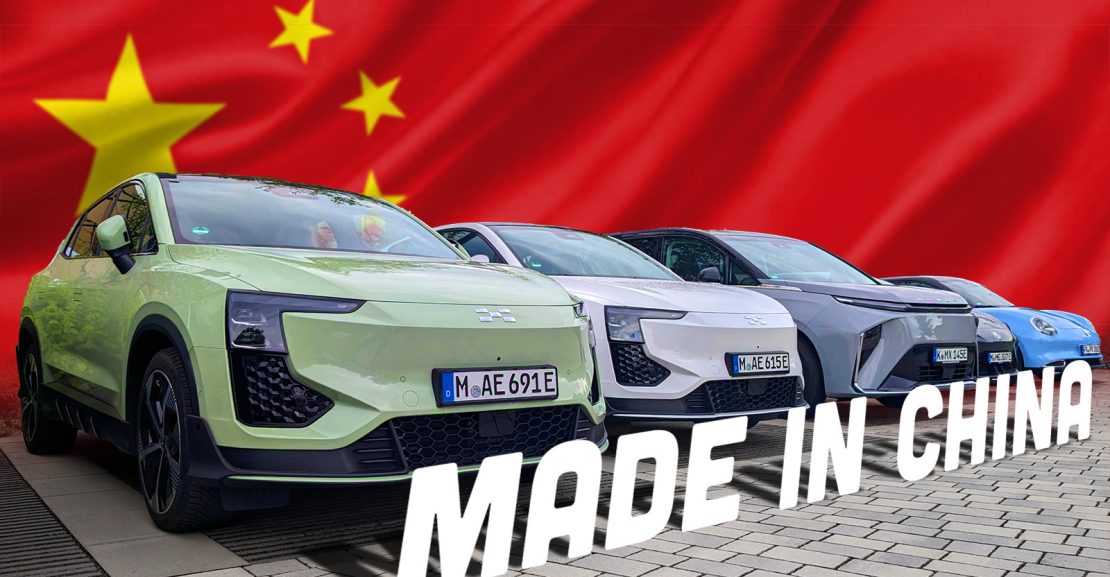
This phenomenon of technological improvement, democratization, and demystification is especially evident in China’s rise as an industrial superpower.
Whenever an industrial revolution occurs, it is accompanied by what I call the demystification of technology. This is the process through which technologies that were once regarded as exclusive luxuries for a small, wealthy segment of society become widely accessible to the broader population.
From the First to the Second Industrial Revolution, this process of technological advancement was, in many cases, controlled in ways that primarily benefited the countries that refined, commercialized, and scaled innovations originally developed elsewhere. The economic rewards of technological progress therefore remained concentrated among a relatively small group of industrialized nations.
This phenomenon of technological improvement, democratization, and demystification is especially evident in China’s rise as an industrial superpower. Today, China accounts for more than 30% of global manufacturing output—exceeding the combined manufacturing capacity of the United States, Germany, Japan, and India. Its manufacturing scale has enabled it to produce increasingly sophisticated products at prices that are affordable to billions of people.
The transformation can be seen across multiple industries. Mobile phones, once considered expensive and unattainable for much of the Global South, have become commonplace largely because of China’s manufacturing capabilities. Today, the same transformation is occurring in the automobile industry. China has not only succeeded in challenging an industry that was long dominated by Western and Japanese manufacturers, but it has also made modern automotive technologies—particularly electric and intelligent vehicles—far more accessible to developing countries.
This shift has implications that extend well beyond consumer choice. Affordable transportation is a critical driver of productivity. It lowers the cost of moving people and goods, expands access to markets, increases labour mobility, and enhances economic efficiency. As transportation becomes more affordable, businesses can operate more efficiently, households can access greater economic opportunities, and entire economies can become more productive.
If this proposition is correct, it also raises an important question. For decades, automobiles and many advanced technologies were sold at prices that placed them beyond the reach of much of humanity. The dominance of manufacturers from countries such as the United States, Germany, Japan, the United Kingdom, and, more recently, South Korea, enabled them to command substantial price premiums. While these prices reflected legitimate factors such as research and development costs, quality, branding, and market structure, they also limited the widespread diffusion of technologies that could have accelerated productivity in developing economies.
China’s emergence as a large-scale, cost-efficient manufacturer is changing that equation. By significantly reducing the cost of advanced technologies, it is democratizing access to innovation on a scale rarely seen in modern economic history. If sustained, this transformation could become one of the defining drivers of higher productivity and faster economic development across the Global South.
Kwame Gonza
Chief Technical Advisor
Hybrid Motors Africa